Web app
Esnaf Stok
Stock and profitability tracking for small shop owners. It matches products from e-invoices automatically, calculates cost down to the cent, and is verified by 357 tests.
- Solo
What it does
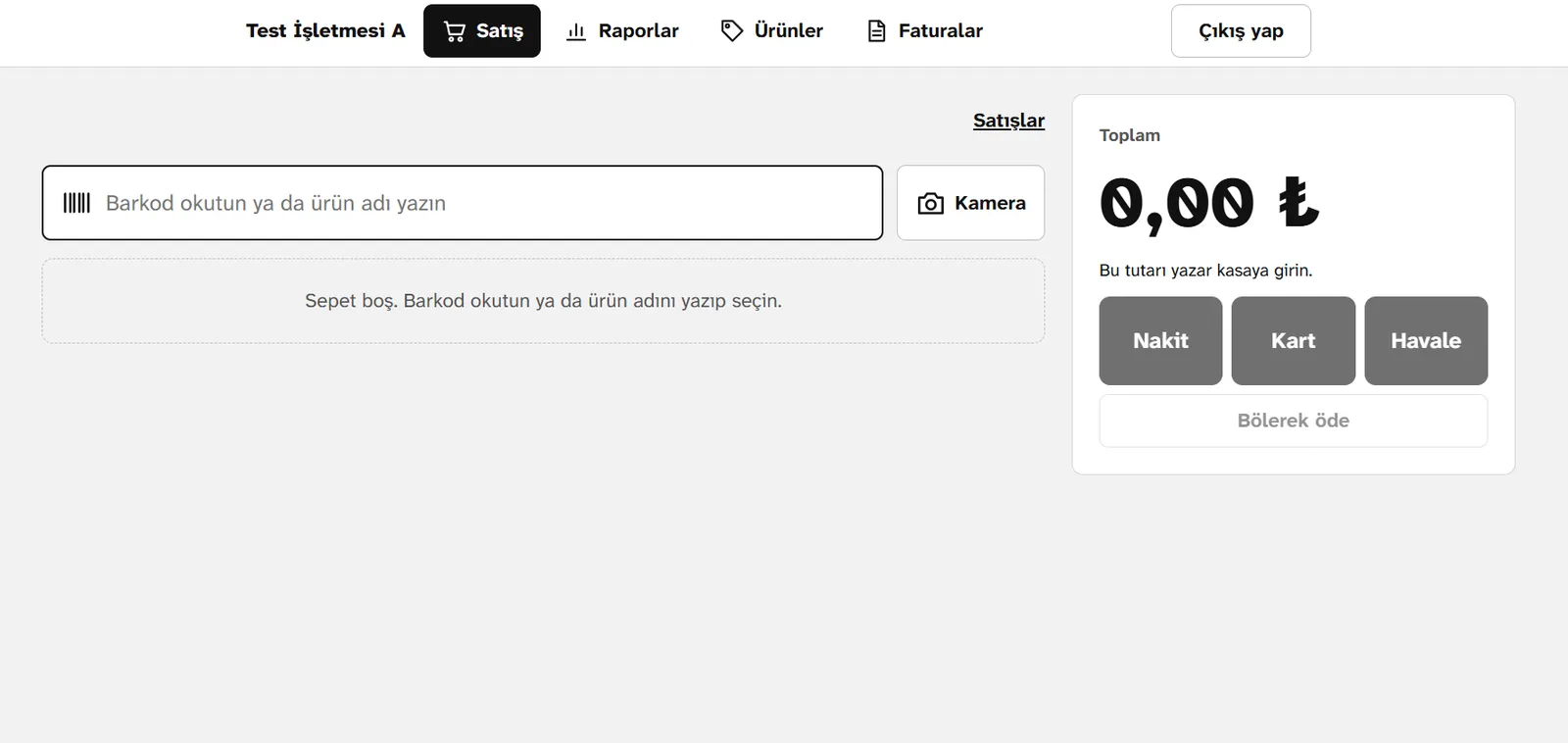
A web-based stock and profitability tracker for small shop owners, with separate roles for the owner and the cashier. In development since October 2026.
Why
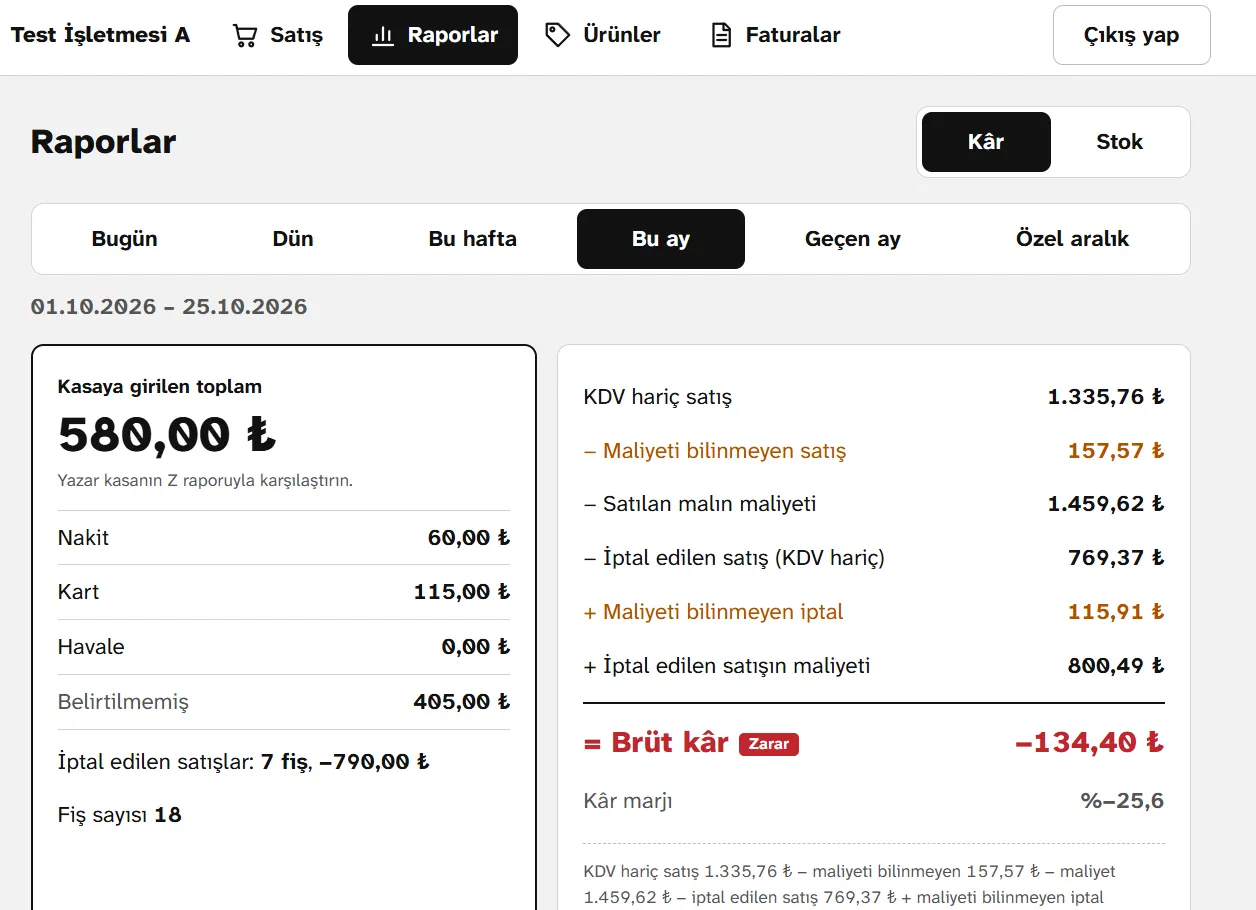
I noticed that small shop owners, like local grocery stores, often don’t know whether they make or lose money on a given product. Revenue shows up at the till, but since a product’s cost changes with every new invoice, working out per-product profit by hand is close to impossible. Esnaf Stok exists to answer that question: upload the invoice, make the sale, and see what each product earns or loses.
How
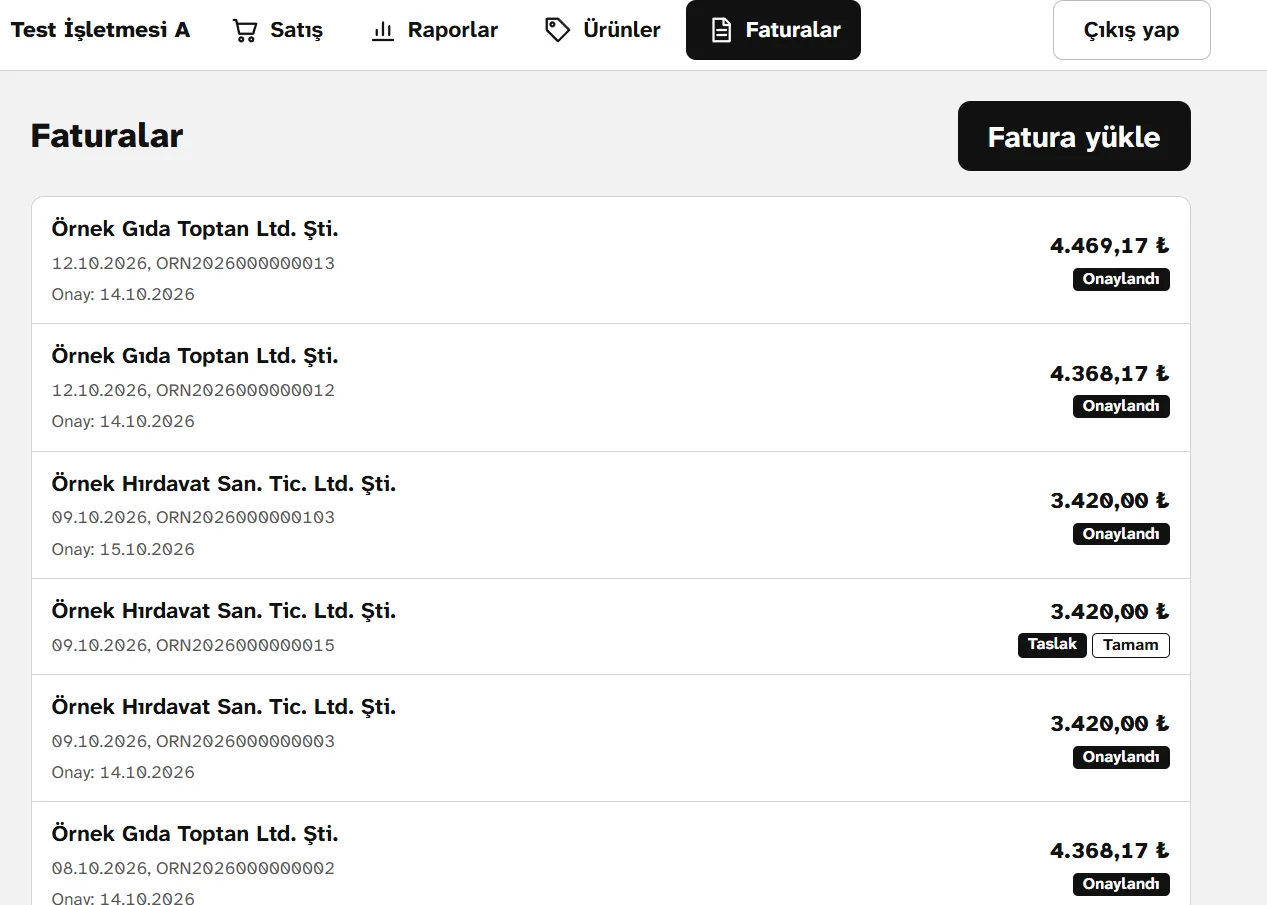
- Products from uploaded e-invoices (UBL-TR XML) are matched automatically and stock entries are created.
- Weighted average cost is calculated to the kuruş (decimal.js).
- Multi-tenant: each business’s data is separated at the database level with Row Level Security; owner and cashier have different permissions.
- An immutable (append-only) stock ledger; concurrency is controlled with row locks and advisory locks.
- 260 unit tests, 97 integration/security tests, plus a parity test checking that the cost calculation gives the same result in TypeScript and SQL.
Stack: React, TypeScript, Vite, Supabase (PostgreSQL, Auth, RLS), decimal.js, Vitest.
Where I used AI
Built with Claude Code. Product design, business rules, architecture decisions and code review are mine.
screenshots
The hardest part
Not the code, the accounting. My knowledge of the domain was very thin at first; I had to learn concepts like weighted average cost, sales excluding VAT, how a cancelled sale affects cost, and the Turkish e-invoice format (UBL-TR) from scratch.
The second challenge was working with AI itself. Explaining clearly to Claude Code what I wanted, and verifying its code every time with tests and code review, took its own kind of discipline. That is one reason there are 357 tests.